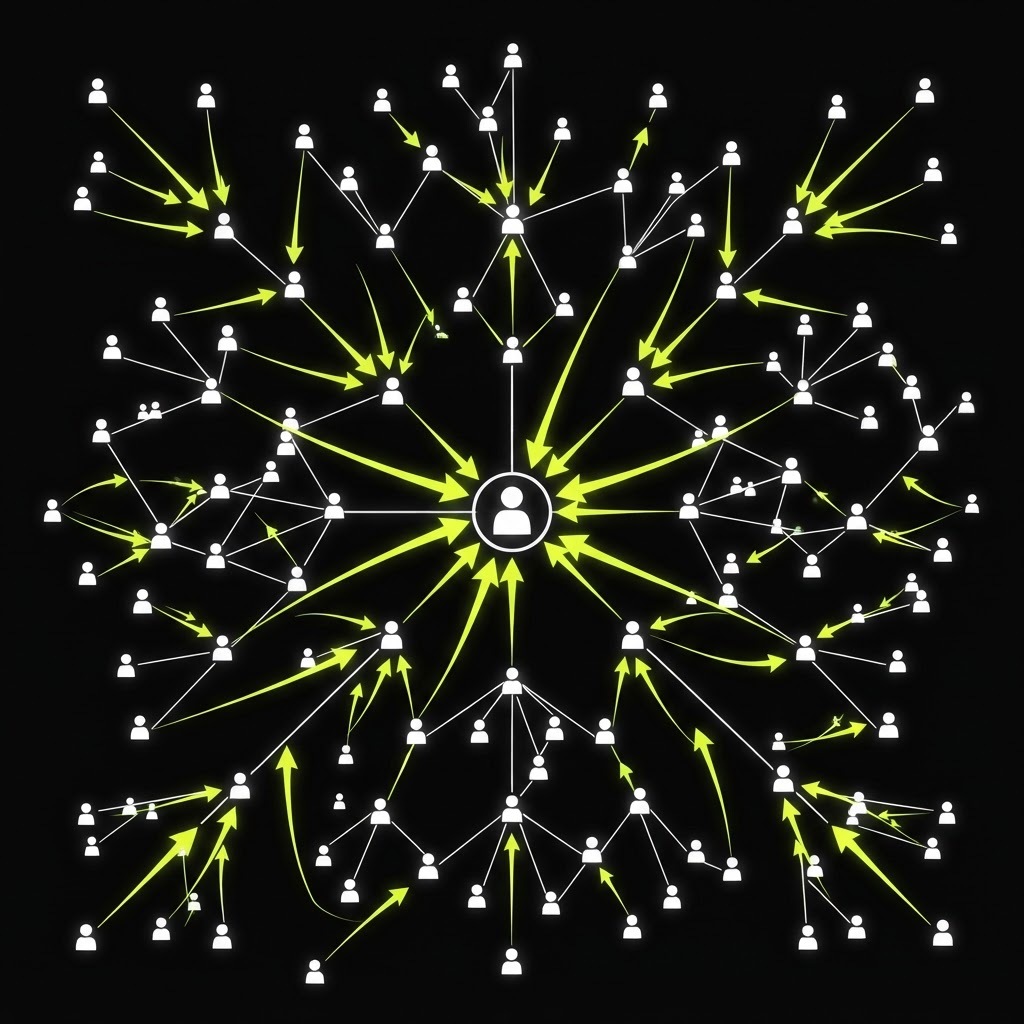
Affiliate marketing is one of the most accessible income streams for digital creators. You don't need to create a product, handle customer support, or manage inventory. You simply recommend products you love and earn a commission when someone buys through your link.
But most creators approach affiliate marketing wrong — they slap links everywhere, promote products they haven't used, and wonder why nobody clicks. This guide covers how to do affiliate marketing properly, ethically, and profitably as a digital creator.
Why Affiliate Marketing Works for Creators
Affiliate marketing is the ultimate low-effort, high-trust income stream when done right:
- No product creation — You recommend, not create
- No customer support — The product creator handles that
- No inventory — Digital products are delivered automatically
- Passive income — Your recommendations earn while you sleep
- Trust-based — You're monetizing the trust you've built with your audience
The Economics
| Metric | Typical Range | |---------|-------------| | Commission rate | 5-50% | | Average order value | $27-$297 | | Conversion rate | 1-5% | | Cookie duration | 30-90 days |
Example: If you recommend a $97 product with a 30% commission, you earn $29 per sale. With 1,000 engaged followers and a 2% conversion rate, that's 20 sales = $580 — from a single recommendation.
Choosing the Right Affiliate Programs
Criteria for Good Programs
- Recurring commissions — You earn every month the customer stays subscribed
- High commission rate — 20%+ for digital products
- Long cookie duration — 30+ days minimum
- Quality product — You'd recommend it even without the commission
- Good conversion — The product page actually sells
- Supportive affiliate manager — Provides resources and responds to questions
Types of Affiliate Programs
| Type | Commission | Cookie | Best For | |------|-----------|--------|---------| | SaaS | 20-30% recurring | 30-90 days | Tech creators | | Digital products | 30-50% one-time | 30-60 days | All creators | | Online courses | 30-50% one-time | 30-60 days | Education creators | | Physical products | 5-15% one-time | 24 hours | Lifestyle creators | | Memberships | 20-40% recurring | 30-90 days | Community builders |
💡 Kitzio's affiliate program offers 20-50% recurring commissions with a 30-day cookie duration — one of the most generous in the creator economy.
How to Promote Affiliate Products Ethically
Rule 1: Only Promote What You've Used
Your audience trusts your recommendations. If you promote a product you haven't used and it turns out to be bad, you destroy that trust permanently.
What to do:
- Buy and use the product yourself first
- Take notes on what you like and don't like
- Only promote if you genuinely believe it helps your audience
- Be honest about limitations
Rule 2: Disclose Your Affiliate Relationship
It's not just ethical — it's legally required by the FTC. Always disclose that you earn a commission.
Disclosure examples:
- "This is an affiliate link — I earn a commission if you buy, at no extra cost to you."
- "Full disclosure: I may earn a commission if you sign up through my link."
- "#ad" or "#affiliate" on social media posts
Where to disclose:
- At the beginning of blog posts that contain affiliate links
- In the description of YouTube videos
- In the caption or first comment of social media posts
- On a dedicated disclosure page on your store
Rule 3: Provide Value First
Don't lead with the affiliate link. Lead with value:
- Educate — Teach something related to the product
- Share results — Show how the product helped you
- Compare options — Review multiple products (including non-affiliate alternatives)
- Then recommend — Provide the affiliate link as one option
Rule 4: Be Honest About Limitations
No product is perfect. If you only share positives, your recommendation feels like a sales pitch. Share what you didn't like — it makes your positive comments more credible.
Content Formats That Convert
1. Product Reviews
Write or record in-depth reviews of products you use. Include:
-
Overview — What the product does
-
Who it's for — Target audience
-
Pros — What you loved
-
Cons — What could be better
-
Alternatives — Other options to consider
-
Verdict — Your recommendation
-
Pricing comparison — Table of features vs. price
-
Use case examples — Real scenarios where each tool wins
-
Recommendation — Which to choose based on needs
3. Tutorial Content
Create tutorials showing how to use a product. This positions the product as a solution and naturally includes your affiliate link.
Best for: Software tools, templates, and platforms.
4. Resource Pages
Create a "tools I use" or "recommended resources" page on your store. These pages are evergreen and continuously generate affiliate income.
5. Email Recommendations
Include affiliate recommendations in your email newsletter. But don't make every email a pitch — follow the 80/20 rule (80% value, 20% promotion).
Learn how to set up automated email sequences in our email marketing automation guide.
6. Social Media Posts
Share quick tips and recommendations on social media. Include affiliate links in your bio or link-in-bio page.
Building an Affiliate Marketing Strategy
Step 1: Choose Your Niche
Focus on products relevant to your audience. A fitness creator promoting marketing tools won't convert; a fitness creator promoting fitness apps will.
Step 2: Join 3-5 Programs
Don't spread yourself too thin. Join a few high-quality programs that align with your content.
Step 3: Create Content Around the Products
Don't just post affiliate links — create content that naturally incorporates the products:
- Tutorials
- Reviews
- Comparisons
- "Tools I use" posts
- Case studies
Step 4: Track Performance
Monitor which products and content formats generate the most clicks and conversions. Double down on what works.
Step 5: Scale What Works
Once you find a winning formula, replicate it:
- If a review converts well, review similar products
- If a tutorial drives clicks, create more tutorials
- If a comparison post ranks well, create more comparisons
Affiliate Marketing Metrics to Track
| Metric | What It Tells You | |--------|-----------------| | Click-through rate (CTR) | How compelling your recommendation is | | Conversion rate | How well the product page sells | | Earnings per click (EPC) | Revenue generated per click | | Revenue per post | Which content drives the most income | | Return rate | How often buyers request refunds |
Key formula: EPC = (Total commissions earned) ÷ (Total clicks). Aim for $1+ EPC.
Common Affiliate Marketing Mistakes
1. Promoting Too Many Products
If you promote 20 products, your audience won't trust any recommendation. Stick to 3-5 products you genuinely love.
2. Not Disclosing Affiliate Links
Aside from legal requirements, disclosure builds trust. Hiding affiliate links makes you look dishonest.
3. Promoting Products You Haven't Used
This is the fastest way to lose your audience's trust. Only promote what you've personally used.
4. Only Creating Promotional Content
If every post is a pitch, people tune out. Lead with value, then recommend.
5. Ignoring Analytics
If you don't track which products and content convert, you're leaving money on the table.
FAQ
Q: How much can I earn from affiliate marketing? A: It depends on your audience size and engagement. A creator with 5,000 engaged followers can earn $500-$2,000/month. With 50,000 followers, $2,000-$10,000+/month is achievable.
Q: Do I need a large audience to start? A: No. A small, engaged audience converts better than a large, disengaged one. 1,000 true fans can generate significant affiliate income.
Q: How do I disclose affiliate links? A: Include a clear disclosure at the beginning of your content: "This post contains affiliate links. I may earn a commission if you make a purchase, at no extra cost to you."
Q: Should I join Amazon Associates? A: Amazon's commission rates are low (1-10%) and cookies are only 24 hours. It's worth joining, but prioritize higher-commission digital product programs like Kitzio's affiliate program.
Q: Can I use affiliate links on all platforms? A: Most platforms allow affiliate links, but check their terms of service. Pinterest, YouTube, and blogs are very affiliate-friendly. Instagram and TikTok require disclosure in the post itself.
Ready to start earning with affiliate marketing? Join Kitzio's affiliate program for 20-50% recurring commissions. Or start your own store and build an affiliate program for your products.